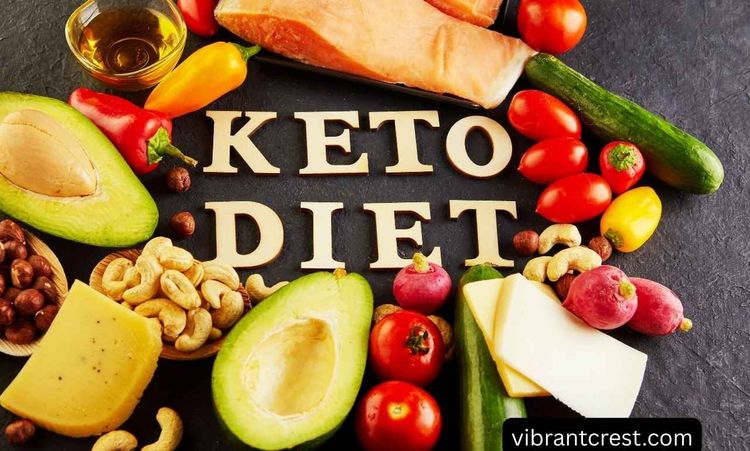
A refrigerator packed with vegetables, yogurt, fruit, eggs, and whole grains can look like evidence of a nutritionally complete diet. Yet healthy eating and nutritional adequacy are not always the same thing. Understanding why eating healthy foods can still lead to nutritional gaps means looking beyond whether individual foods are “good” and examining what the body actually receives, absorbs, and uses.
A Healthy Diet Is Not Automatically a Complete Diet
Nutrition advice often sorts foods into broad categories. Vegetables are encouraged. Whole grains are preferred. Highly processed foods are limited. These principles are useful, but they cannot tell us whether a particular person gets enough iron, iodine, calcium, vitamin B12, zinc, vitamin D, or other essential nutrients.
A diet can be built almost entirely from nutritious foods and still be narrow.
Consider someone who regularly eats oatmeal with berries for breakfast, a large salad for lunch, and brown rice with vegetables for dinner. There is plenty to praise. The meals provide fiber, plant compounds, complex carbohydrates, and several vitamins.
But depending on the ingredients and portions, the pattern could provide relatively little calcium, vitamin B12, iodine, iron, zinc, or protein.
The problem is not that oatmeal or salads are unhealthy. It is that nutrient adequacy depends on the whole pattern.
The opposite can happen too. Two people might eat meals that look nearly identical, yet their nutritional status can differ because their calorie requirements, health conditions, age, medications, and ability to absorb nutrients are different.
“Healthy” describes food quality reasonably well. It is less reliable as a measure of nutritional completeness.
Variety Matters More Than a Virtuous Shopping List
People often develop a small collection of meals that satisfy conventional healthy-eating advice. Repetition makes grocery shopping easier and removes some daily decisions. Nutritionally, however, an excellent meal eaten repeatedly is not necessarily an excellent diet.
Different foods supply different combinations of nutrients.
Spinach contributes folate and vitamin K, for example, while citrus fruit is particularly useful for vitamin C. Dairy foods can provide calcium, protein, vitamin B12, and, when fortified, vitamin D. Seafood may contribute iodine, selenium, vitamin B12, protein, and long-chain omega-3 fats.
No single “superfood” covers everything.
Variety also matters within food groups. Someone who eats vegetables every day but rotates between only lettuce, cucumber, and tomatoes has a different nutrient intake from someone regularly eating leafy greens, peppers, carrots, legumes, mushrooms, cruciferous vegetables, and other produce.
The same principle applies to protein sources, grains, fruits, nuts, and seeds.
Dietary diversity is therefore more than a way to make dinner interesting. It reduces the chance that the same nutritional weak spots will appear day after day.
Eating Too Little Can Create Nutrient Shortfalls
Food quality receives enormous attention, while food quantity can quietly become the bigger issue.
A person can choose exceptionally nutritious foods yet struggle to obtain enough micronutrients when total food intake is too low. This is particularly relevant when someone aggressively restricts calories, skips meals, follows a very limited eating window, or eliminates several energy-dense foods.
Micronutrients do not arrive independently of food.
Suppose a person reduces portions of grains, dairy products, nuts, oils, legumes, and other calorie-containing foods in an effort to lose weight. Vegetables may occupy much more of the plate. The diet looks fresh and wholesome, but total intake of calcium, iron, zinc, essential fats, protein, or certain B vitamins could decline.
This does not mean calorie reduction inevitably causes deficiencies. Carefully planned lower-calorie diets can be nutritionally sound.
The difficulty is mathematical as much as nutritional: fewer calories leave fewer opportunities to obtain required nutrients.
Very active people can encounter a related problem. Someone training intensely may eat what appears to be a substantial healthy diet while still consuming too little energy for their workload. When energy intake consistently falls short of physiological demands, health and performance can suffer even when the menu looks impressive.
Why Eating Healthy Foods Can Still Lead to Nutritional Gaps Through Poor Absorption
The nutrient content printed on a label or listed in a food database is not necessarily the amount that reaches the body's tissues. Digestion and absorption stand between the plate and the bloodstream.
This distinction is known broadly as bioavailability.
Iron provides a familiar example. Heme iron from animal foods is generally absorbed differently from non-heme iron found in plant foods. The absorption of non-heme iron is influenced by the rest of the meal.
Vitamin C can improve its absorption. Certain compounds naturally present in plant foods can reduce it.
Calcium absorption varies too. So does the availability of zinc and other minerals.
Food preparation may change the equation. Soaking, fermenting, cooking, grinding, or combining particular foods can sometimes improve the availability of certain nutrients.
Fat deserves special attention. Vitamins A, D, E, and K are fat-soluble. A diet that becomes extremely low in fat may make it harder to absorb these nutrients efficiently.
The lesson is not to obsess over every nutrient interaction at lunch. Human digestion is too complex for that approach to be practical.
It is simply worth recognizing that nutrient intake and nutrient absorption are two different measurements.
Restrictive Diets Can Remove Important Nutrient Sources
Eliminating a food group can be appropriate for ethical, cultural, medical, religious, or personal reasons. Problems arise when foods disappear without their nutritional roles being replaced.
A plant-based diet illustrates the distinction well.
Vegetables, legumes, whole grains, nuts, seeds, and fruits can form an exceptionally nutrient-rich eating pattern. But vitamin B12 requires deliberate attention because reliable natural plant sources are limited. Depending on food choices, iodine, calcium, iron, zinc, vitamin D, and omega-3 fats may also deserve closer consideration.
Dairy-free diets raise another practical issue. Removing milk, yogurt, and cheese does not automatically cause calcium deficiency, but those foods are significant calcium sources in many diets. Suitable fortified alternatives or other calcium-rich foods need to take their place.
Gluten-free eating can alter nutrient intake as well. When fortified wheat products disappear, intake of fiber, iron, folate, or certain B vitamins may change depending on the replacements chosen.
Restriction itself is not necessarily the problem. Unplanned substitution is.
A useful question is not merely, “What have I stopped eating?” It is, “Which nutrients did that food regularly provide, and where are they coming from now?”
Fortification Quietly Does More Work Than Many People Realize
The modern idea of “natural” eating can obscure an important public-health reality: fortified foods help many people meet nutritional requirements.
Iodized salt is one of the clearest examples. Iodine occurs naturally in some foods, especially seafood and certain dairy products, but intake can vary considerably. Choosing specialty salts that are not iodized may unintentionally remove a dependable iodine source.
Fortification also matters for nutrients such as folic acid and vitamin D, depending on the country and food supply.
Plant-based milks demonstrate why labels matter. Two cartons can look nearly identical while having very different nutritional profiles. One may contain added calcium, vitamin D, and vitamin B12. Another may contain little of those nutrients.
A food does not become nutritionally inferior simply because it has been fortified.
In some circumstances, fortification is precisely what makes an otherwise healthy dietary pattern more complete.
Life Stages Change the Nutritional Equation
Nutrient requirements are not fixed from adolescence through old age. A diet that comfortably met someone's needs several years ago may become less suitable when physiology or circumstances change.
Pregnancy is an obvious example.
Requirements for several nutrients change during pregnancy, and folate is particularly important around conception and early fetal development. Iron needs also rise substantially during pregnancy.
Older adulthood presents different challenges. Appetite may decline while nutrient requirements remain significant. Vitamin B12 absorption can become more complicated for some older adults. Maintaining adequate protein intake may also require greater attention when smaller meals become the norm.
Menstruation affects iron requirements because blood loss creates an additional route of iron loss. Heavy menstrual bleeding can make maintaining iron stores particularly difficult.
Athletes have another set of considerations. Heavy training increases energy demands and can alter practical needs for carbohydrates, protein, fluids, electrolytes, and certain micronutrients.
A diet therefore cannot be judged solely by its ingredients. It must be judged against the person eating it.
Health Conditions and Medications Can Alter Nutrient Status
Sometimes the gap between a good diet and poor nutrient status has less to do with food selection than with what happens after food is swallowed.
Conditions affecting the digestive system can interfere with nutrient absorption. Disorders involving the stomach, intestines, pancreas, liver, or other digestive organs may change how efficiently particular nutrients are processed.
Surgery involving the gastrointestinal tract can also affect absorption.
Medications add another layer. Some medicines can influence appetite, stomach acidity, intestinal function, nutrient metabolism, or the absorption of particular vitamins and minerals. The significance depends on the drug, dose, duration of use, and individual circumstances.
This is one reason self-diagnosing a deficiency based on diet alone can be misleading.
Fatigue, weakness, changes in concentration, hair changes, or other nonspecific symptoms can have numerous causes. A person who assumes every symptom represents a vitamin deficiency may overlook a medical problem. Someone who assumes a healthy diet makes deficiency impossible can make the opposite mistake.
Persistent or unexplained symptoms deserve appropriate medical evaluation rather than guesswork with supplements.
Food Pairings Can Change What the Body Gets
Meals are chemical mixtures, not collections of isolated nutrition labels. What accompanies a food can influence how useful some of its nutrients become.
Iron again offers a practical example.
Beans and lentils contain non-heme iron. Pairing them with vitamin C-rich foods such as peppers, tomatoes, kiwi, or citrus fruit can improve iron absorption. This is particularly useful for people whose diets rely heavily on plant sources of iron.
Tea and coffee contain compounds that can interfere with non-heme iron absorption when consumed around meals. That does not make either beverage unhealthy. Timing can simply matter for someone struggling to maintain iron stores.
Dietary fat can help with the absorption of fat-soluble vitamins and carotenoids. A salad containing colorful vegetables alongside nuts, seeds, avocado, olive oil, eggs, or another source of fat may therefore differ nutritionally from a completely fat-free version.
These details are useful when they solve a specific problem.
They should not turn eating into a laboratory exercise. A varied diet usually creates many helpful combinations naturally.
Supplements Are Tools, Not Nutritional Insurance
Once people learn that wholesome diets can contain gaps, the tempting response is to buy a broad collection of supplements. That approach can create a different set of problems.
More is not automatically better.
Some nutrients can cause harm at excessive supplemental doses. Others interact with medications or compete with other nutrients. Supplements can also create false reassurance, encouraging people to overlook limited food variety or an underlying medical reason for poor nutrient status.
Targeted supplementation is different.
Vitamin B12 supplementation, for instance, is commonly important in vegan diets. Folic acid has established recommendations around pregnancy. Vitamin D supplementation may be appropriate in particular populations or circumstances. Individual recommendations vary by country, medical history, diet, laboratory findings, and other factors.
Testing can sometimes clarify the picture, although indiscriminate laboratory testing is not always useful either. A clinician can determine which tests make sense when symptoms, medical conditions, medications, pregnancy, restrictive eating patterns, or other risk factors are present.
The practical goal is not to supplement everything “just in case.” It is to identify a plausible gap and address it intelligently.
How to Make a Healthy Diet More Nutritionally Complete
A better approach begins with patterns rather than perfection. Instead of rating individual foods as good or bad, look at what repeatedly appears—and what repeatedly does not.
Review a typical week.
Are there several meaningful protein sources? Do vegetables and fruits vary in type and color? Are calcium-rich foods present regularly? Where does vitamin B12 come from? Is there a dependable iodine source? Are iron-rich foods common, particularly when iron requirements are higher?
Consider omega-3 sources as well. Fatty fish can supply EPA and DHA, while walnuts, chia seeds, flaxseed, and some other plant foods provide ALA, which the body can partially convert to longer-chain omega-3 fats.
Fortified foods deserve a place in this review. Check labels rather than assuming every milk alternative, breakfast cereal, or similar product provides the same nutrients.
People following restrictive diets may benefit from guidance from a registered dietitian or another qualified nutrition professional. The same is true when appetite is poor, calorie intake is low, gastrointestinal problems are present, or nutritional needs have changed.
Most importantly, avoid treating nutrition as a contest to assemble the cleanest-looking plate.
Adequacy is the better target.
Conclusion
The most polished-looking diet can hide weaknesses that are difficult to spot from a photograph or grocery receipt. Nutritional health depends on quantity, variety, absorption, fortification, food combinations, individual physiology, and changing requirements—not simply the reputation of the foods on the plate.
That broader view explains why eating healthy foods can still lead to nutritional gaps without undermining the value of healthy eating itself. Vegetables, fruits, whole grains, legumes, nuts, quality protein sources, and minimally processed foods remain strong foundations. The important shift is recognizing that foundations still need to be assembled into a complete structure.
For most people, the answer is not greater dietary anxiety or a cabinet full of supplements. It is thoughtful variety, appropriate portions, sensible use of fortified foods, and targeted professional advice when circumstances suggest a genuine risk of deficiency.