Most people think losing weight means eating as little as possible. That is one of the biggest diet myths out there. Starving yourself might work for a week, maybe two. Then your body fights back hard. Your metabolism slows down, cravings go through the roof, and you end up eating everything in sight. Sound familiar?
Here is the truth: you do not have to suffer to lose weight. Sustainable fat loss is about eating smarter, not eating less. The right foods keep you full, satisfied, and on track. You stop obsessing over every bite. You stop dreading every meal.
This article covers 7 ways to keep losing weight without starving yourself. These strategies are practical, science-backed, and actually enjoyable to follow. No crash diets. No meal skipping. Just real habits that work long-term.
Eat Good Fats
Fat has had a bad reputation for decades. Low-fat products flooded the market, and people avoided butter like it was poison. But here is the thing — fat does not make you fat. The right kinds of fat actually help you lose weight.
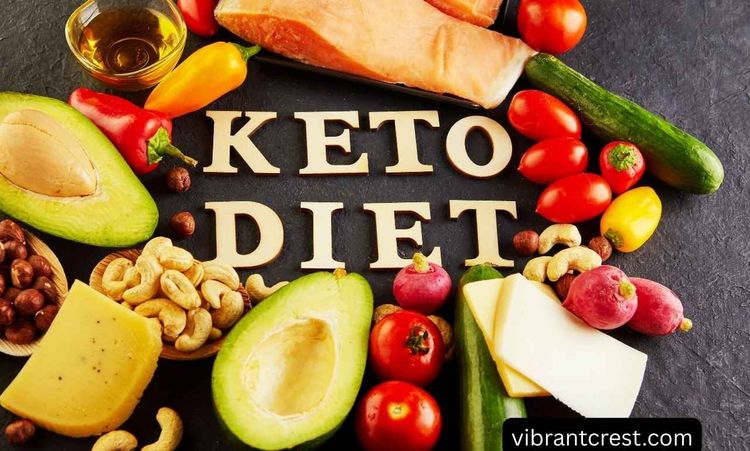
Good fats come from foods like avocados, olive oil, nuts, seeds, and fatty fish. These foods slow down digestion significantly. When digestion slows, you stay full for longer. You are far less likely to raid the snack drawer an hour after lunch.
Fat also helps your body absorb fat-soluble vitamins like A, D, E, and K. Without enough fat, your nutrition suffers even if you eat plenty of vegetables. Beyond that, healthy fats support hormone production. Hormones like leptin and ghrelin directly regulate hunger and fullness signals. When these hormones are out of balance, you feel hungry all the time — even when you have eaten enough.
There is another angle worth mentioning. Meals with fat taste good. Genuinely satisfying food reduces the urge to overeat. When you feel satisfied after a meal, you are not thinking about what to eat next five minutes later. That is a huge win psychologically.
The key is choosing quality fats over processed ones. Skip the margarine and deep-fried fast food. Go for whole food fat sources instead. A handful of almonds, half an avocado on toast, or salmon with dinner — small additions like these make a real difference.
Prioritize Fiber and Food Volume
Have you ever eaten a large bowl of something and still felt empty afterward? That is usually a volume problem, not a willpower problem.
Fiber is one of the most underrated tools for weight loss. It adds bulk to your meals without adding many calories. High-fiber foods like vegetables, legumes, fruits, and whole grains fill up your stomach. Your body registers fullness based partly on how much physical space food takes up in your stomach. More volume equals more satisfaction, even on fewer calories.
Fiber also slows the absorption of sugar into your bloodstream. This keeps your energy levels steadier throughout the day. No mid-afternoon energy crash. No desperate reach for something sweet at 3 p.m. Stable blood sugar is a game-changer for managing hunger.
There is also a gut health benefit. Fiber feeds the good bacteria in your digestive system. A healthier gut has been linked to better metabolism and even improved mood. Feeling better emotionally makes it easier to stick to healthy habits. Everything is connected.
Start simply. Add a handful of spinach to your breakfast. Choose brown rice over white. Snack on an apple instead of crackers. These swaps are small individually but add up significantly over time.
Eat Enough Protein
Protein is the MVP of weight loss nutrients. It keeps you full, preserves muscle mass, and even burns more calories during digestion than carbs or fat do.
Every meal should include a solid protein source. Think eggs, chicken, Greek yogurt, lentils, tofu, cottage cheese, or fish. These foods trigger the release of satiety hormones that tell your brain you are done eating. Less hunger means fewer unnecessary calories throughout the day.
Muscle loss is a real concern when losing weight. Without enough protein, your body can break down muscle tissue for energy. Less muscle means a slower metabolism over time. That makes it harder to maintain any weight loss you achieve. Eating enough protein protects against this entirely.
Protein also has a high thermic effect. Your body uses more energy to digest protein than it does to digest fats or carbohydrates. Some estimates suggest protein burns up to 30% of its own calories just during digestion. That is essentially a built-in metabolic advantage.
A good target is around 0.7 to 1 gram of protein per pound of body weight daily. This is not a rigid rule, but it gives you a useful benchmark. Most people eating regular Western diets fall well short of this without realizing it.
Drink Water Regularly and Between Meals
Thirst and hunger feel almost identical in the body. Many people reach for food when they are actually just dehydrated. Drinking water consistently throughout the day helps separate real hunger from false alarms.
Drinking water before and between meals is particularly effective. Studies show that drinking a glass of water before eating reduces the amount of food consumed at that meal. Your stomach has less room, and your brain gets an early fullness signal. It is one of the simplest tricks with real science behind it.
Water also supports every metabolic process in your body. Dehydration slows down your metabolism noticeably. Even mild dehydration — around 1 to 2% — can cause fatigue, poor concentration, and increased appetite. You feel sluggish and reach for snacks to compensate. Staying hydrated prevents this cycle.
Cold water may also have a slight calorie-burning benefit. Your body works to warm the water to body temperature, burning a small number of extra calories in the process. It is a minor effect, but every bit adds up.
Aim for at least 8 cups of water daily. Carry a water bottle everywhere. Set a reminder if you tend to forget. Add lemon or mint if plain water bores you. Hydration is free, accessible, and highly effective.
Eat Before You Feel Really Hungry
Waiting until you are starving before eating is one of the most counterproductive habits in weight loss. Extreme hunger hijacks your judgment. You stop thinking about balanced meals and start thinking about whatever is fastest and most calorie-dense.
Eating on a regular schedule prevents this entirely. When you eat before hunger becomes urgent, you make rational food choices. You serve yourself appropriate portions. You eat at a normal pace instead of inhaling everything in front of you.
Planning meals and snacks matters here. Keep healthy options accessible. An apple, a boiled egg, or a small handful of nuts can prevent a binge later. Meal prepping on weekends saves a lot of stress during busy weekdays. Preparation is not about being perfect — it is about making the right choice the easiest choice.
Eat Mindfully
Mindful eating is not a complicated concept. It simply means paying attention while you eat — no phone, no TV, no scrolling through emails between bites.
When you eat distracted, your brain does not properly register the experience of eating. Studies show distracted eating leads to consuming significantly more food at that sitting. Worse, it leads to more snacking later in the day because the brain never felt satisfied by the meal.
Slow down deliberately. Chew your food thoroughly. Put the fork down between bites. Notice flavors, textures, and when fullness starts to build. Your stomach takes about 20 minutes to send fullness signals to your brain. Eating slowly gives that process time to work properly.
Mindful eating also helps break emotional eating patterns. When you eat with intention, you start to notice whether you are eating from hunger or from stress, boredom, or habit. That awareness alone is a powerful shift.
Prioritize Quality Sleep
Poor sleep is one of the biggest hidden drivers of weight gain. Most people do not connect their sleep habits to their food choices, but the link is incredibly strong.
Sleep deprivation raises ghrelin, the hormone that increases appetite. It simultaneously lowers leptin, the hormone that signals fullness. The result is a double hit: you feel hungrier than usual and struggle to recognize when you are full. Research shows sleep-deprived people consume an average of 300 to 500 extra calories daily compared to well-rested individuals.
Your food cravings also change dramatically with poor sleep. You crave high-sugar, high-fat foods specifically. The brain seeks quick energy to compensate for exhaustion. Willpower becomes harder to access. Everything feels like more effort. Prioritizing 7 to 9 hours of quality sleep per night supports every other weight loss strategy on this list.
Conclusion
Losing weight without starving yourself is absolutely possible. These 7 ways to keep losing weight without starving yourself work because they work with your body, not against it. You eat satisfying food. You build real habits. You stop fighting hunger every single day.
Pick one or two strategies from this list and start there. Consistency matters far more than perfection. Small changes, done regularly, produce lasting results. Your body is not your enemy — give it what it needs and it will respond.